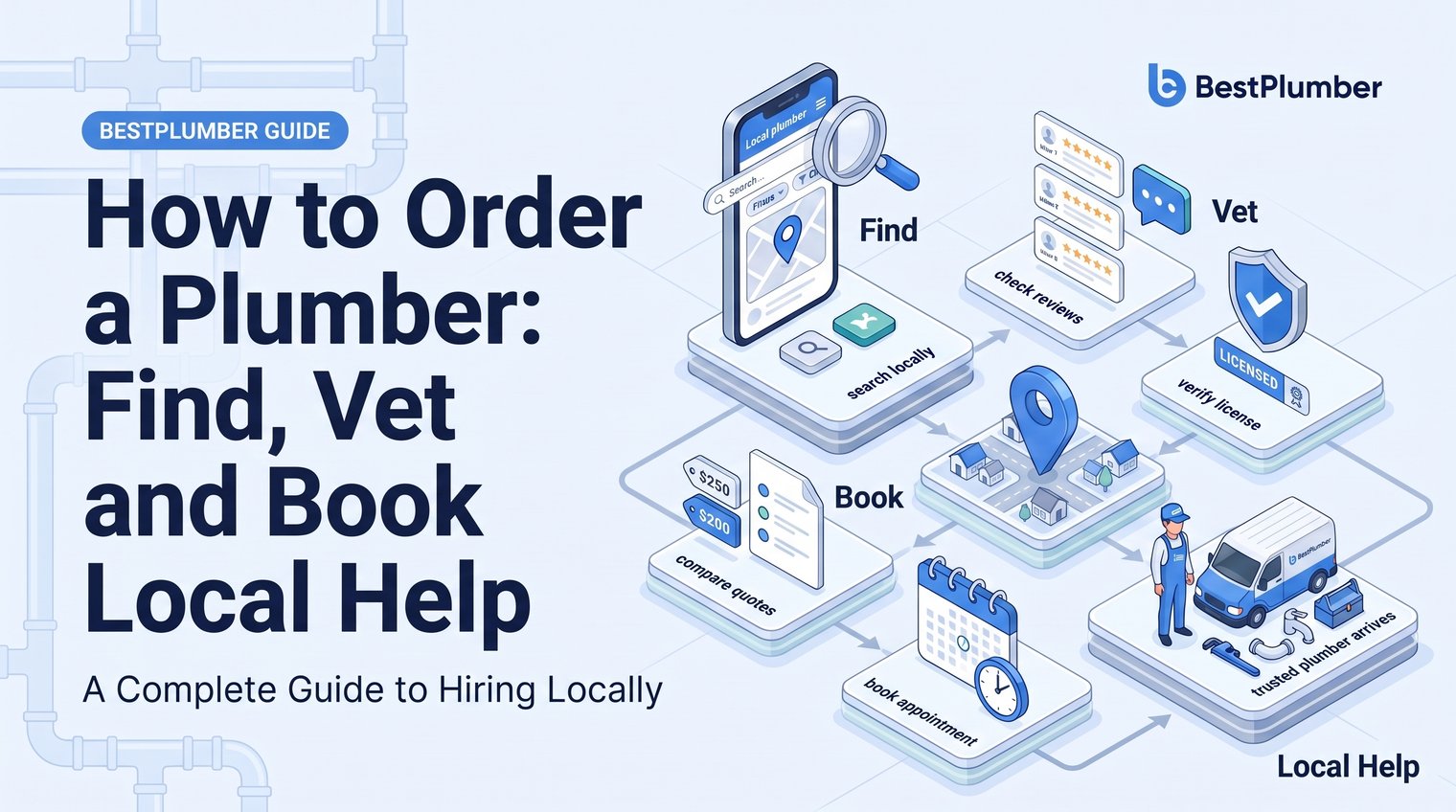
Booking a plumber should not mean calling the first number you find and hoping for the best. A little preparation helps you get the right person, explain the problem clearly, and avoid surprises over availability or cost.
Whether you need help with a leak today or want to arrange a planned repair, the process is the same at its core: assess the urgency, find suitable local professionals, check the essentials, then confirm exactly what you are booking.
Decide whether you need a plumber today, an emergency callout, or a booked repair
Start by looking at what is happening right now. An active leak that cannot be contained, sewage backing up into the property, flooding, or a complete loss of water may need prompt attention. Move valuables away from water, contain drips where you safely can, and contact an appropriate local professional as soon as possible.
Do not wait for a standard plumbing appointment if there is immediate danger. A plumbing emergency such as uncontrolled flooding needs prompt local help. If you smell gas, suspect a gas leak, or have any concern involving gas appliances or pipework, use the relevant gas emergency route and follow its instructions. For electrical danger, contact an appropriate emergency electrician or emergency service; if there is an immediate risk to life, contact the relevant emergency service.
Many jobs can be booked for a convenient time. A dripping tap, slow-running drain, toilet that occasionally keeps filling, worn seal, or planned replacement of a tap, radiator, sink, or shower fitting is usually suitable for a non-urgent appointment. Booking ahead may give you more time to compare suitable plumbers and clarify the price basis.
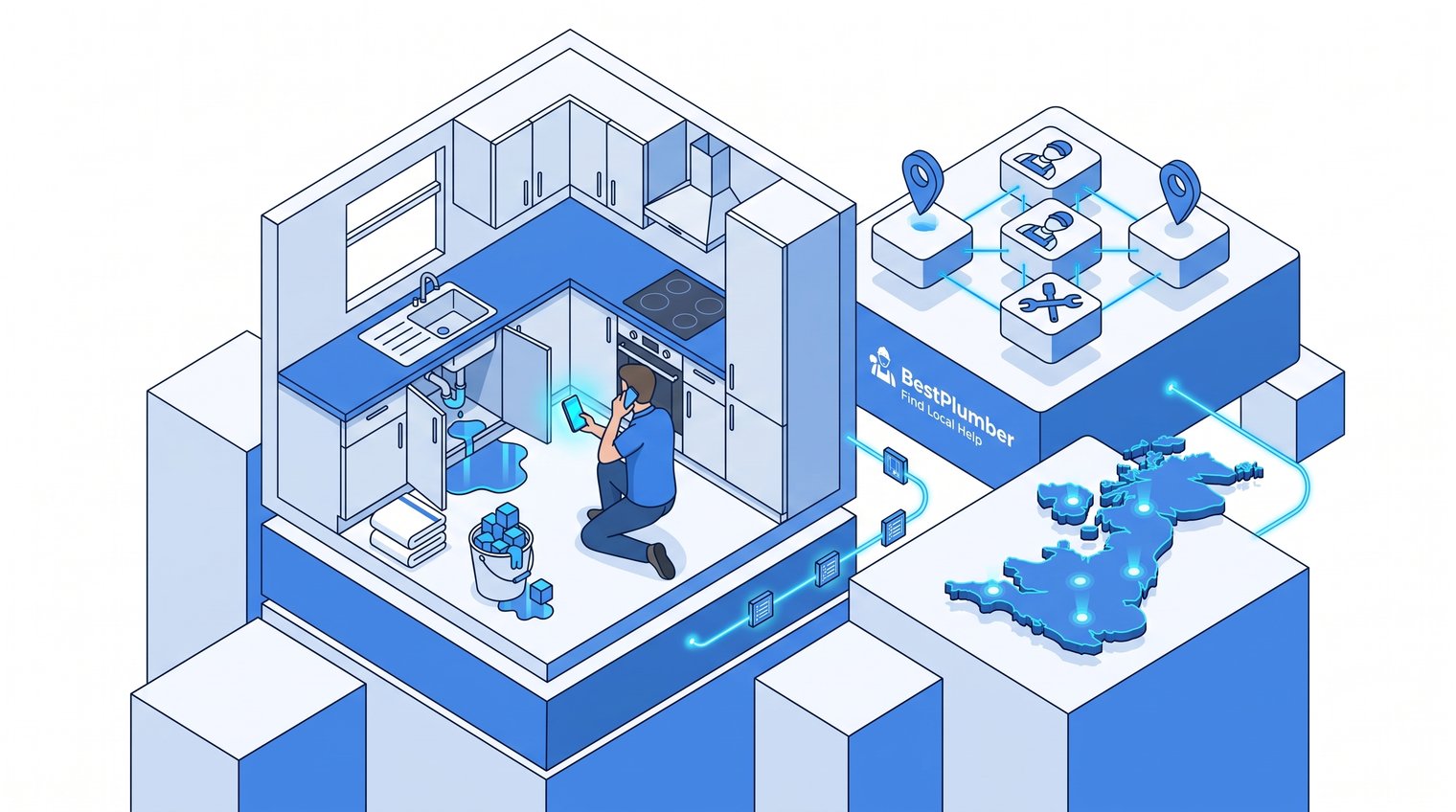
Gather the details that help a plumber assess the job
Before you order a plumber online or make a call, collect the facts they will need. A clear first message reduces back-and-forth and gives the plumber a better chance of telling you whether they cover the work, when they can attend, and how they charge.
- Your full address and postcode
- Where the issue is: kitchen, bathroom, boiler cupboard, outside tap, loft, or another area
- When the problem began and whether it is getting worse
- What you can observe, including leaks, noises, smells, low pressure, or failed fixtures
- Which fixtures are affected and whether water, heating, or drainage is still working
- Access details, such as flat number, parking restrictions, gate codes, or difficult loft access
- Your preferred appointment window and any urgency
Take a few clear photographs or a short video of visible symptoms if it is safe to do so. For example, a photo of a leaking valve, the area beneath a sink, or a boiler pressure gauge can help. Do not dismantle pipework, remove electrical covers, or attempt to investigate gas equipment yourself.
Describe the fault in plain, specific terms
Explain what you have seen rather than trying to diagnose the cause. "Water is dripping from the pipe below the kitchen sink" is more useful than "I think the pipe needs replacing." Likewise, say "the toilet will not stop filling after flushing" or "the boiler pressure keeps dropping over two days."
A plumber can diagnose the fault after inspection. Your job is to provide accurate symptoms, timing, and access information. This prevents the common mistake of requesting the wrong service based on an uncertain diagnosis.
Find local plumbers through a directory, recommendations and direct search
The best way to find a plumber is usually to compare a small number of nearby professionals who handle your particular type of work. For more detail on the process, see How to Find a Plumber: A Complete Guide to Hiring Locally. Searching for "plumber near me" is a reasonable starting point, but add detail when it matters. Try searches such as "book an emergency plumber," "emergency plumber Hounslow," or "bathroom leak plumber Leeds."
Before you contact anyone, check that they cover your postcode, offer the service you need, and provide a usable contact method. A plumber who is excellent at bathroom installations may not be the right choice for an urgent drainage problem, and a business outside your service area may add travel charges or be unable to attend quickly.
Use a local plumbing directory to narrow the options
A location-based directory can make the first stage faster. Search by town, city, or postcode, review the listed contact details, and create a short list of two or three professionals whose stated service area and work type fit the job.
BestPlumber is one example of a location-based directory where you can look for and contact local plumbing professionals. Use it as a starting point for discovery, then confirm each plumber's current availability, credentials, and pricing directly with them.
BestPlumber
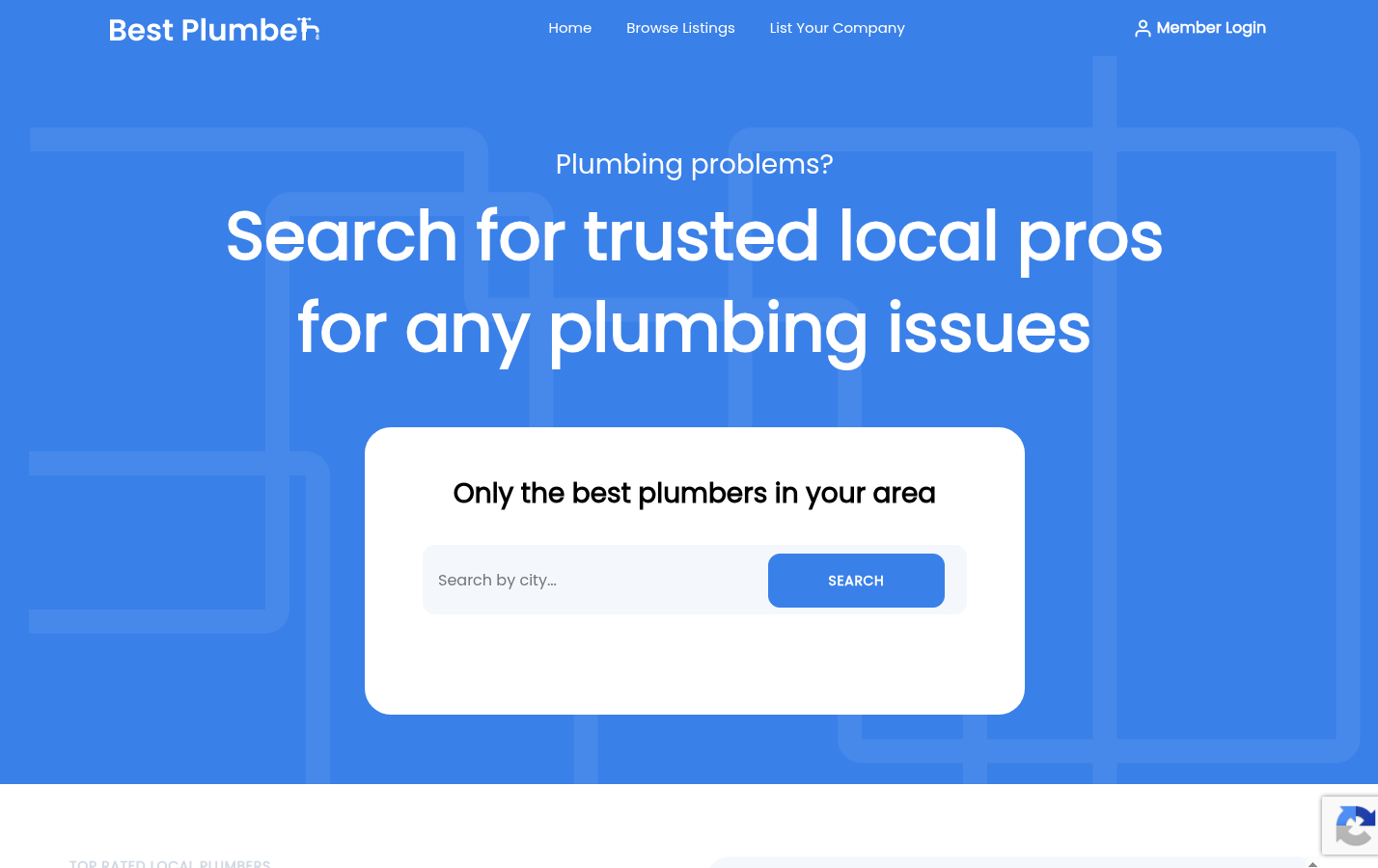
BestPlumber is most useful when you need a location-focused way to identify plumbing contact options in your area. Browse the relevant city or location path, note professionals that appear suitable, and use the supplied contact option to make a direct enquiry.
Its role is to help you find local options, not to replace your own checks. A directory listing alone does not prove qualifications, insurance, availability, a confirmed price, or suitability for a particular repair. It is a practical choice for homeowners and occupants who want to build a local shortlist before calling around.
Use recommendations and search results as a cross-check
Ask neighbours, your landlord, building manager, or local community contacts whether they have recently used a plumber for similar work. A recommendation can be useful, especially when it includes specifics such as punctuality, communication, or the type of repair completed.
Still, verify the fit yourself. Check that the plumber handles your job, covers your location, and can attend when needed. Do not rely solely on a paid advert, a single glowing review, or an old recommendation without confirming the business identity and contact details.
Check that each plumber is suitable before you contact them
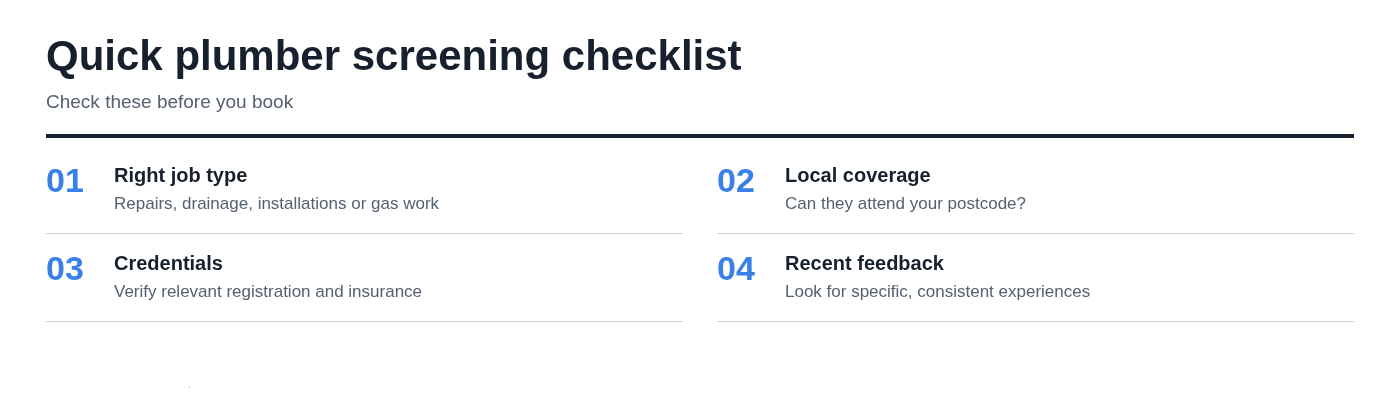
You do not need a lengthy investigation for a minor repair, but a quick screening step is worthwhile. It helps you avoid wasting time on a business that does not cover your area or does not handle the work safely.
- Relevant work: repairs, drainage, installations, heating-related plumbing, or emergency callouts as needed
- Local coverage: confirmation that they attend your postcode
- Availability: whether they can meet your required timeframe
- Business identity: a traceable name, phone number, and business information
- Insurance and credentials: appropriate for the work being performed
- Feedback patterns: look for specific, consistent experiences rather than one isolated comment
Water plumbing and gas work are not interchangeable. If the job involves a gas boiler, gas hob, gas pipework, or another gas appliance, verify that the engineer is appropriately Gas Safe registered for the work required. Check official registers or ask for relevant documentation; do not treat a directory entry or a claim in an advert as proof.
Contact two or three plumbers with the same job summary
For an urgent issue, call rather than waiting on an online form. For a non-urgent repair, a message or enquiry form can work well, particularly if you can attach photos. In either case, give every plumber the same concise summary so you can compare responses fairly.
You can use this template:
"I am at [postcode/address]. I have [plain description of the issue] in the [location]. It started [when], and [state whether it is leaking/affecting water/heating/drainage]. Photos are available. Access is [relevant detail]. Please let me know your earliest availability and whether you charge a callout fee, hourly rate, or fixed price."
Contacting two or three suitable plumbers is usually enough. Sending a vague request to a long list creates more work for you and often produces vague replies. A focused shortlist lets you compare availability, communication, and pricing terms without delaying the repair.
Questions to ask on the call or in a message
- When is your earliest available appointment?
- Is there a callout charge or minimum charge?
- Is the price fixed, estimated, or charged by the hour?
- Does the stated rate include VAT, travel, and standard materials?
- How are replacement parts priced and approved?
- How long do you expect the inspection or repair to take?
- Do you provide a guarantee for labour or supplied parts?
- Which payment methods do you accept?
For urgent work, ask what can be done immediately to make the property safe and what circumstances could change the final bill. An emergency visit may begin with diagnosis and containment rather than a complete repair if a specialist part is needed.
Compare quotes and availability on a like-for-like basis
Do not assume every price means the same thing. A fixed quote is a stated price for a defined scope of work. An estimate is an informed approximation that may change if the work proves more complex. A diagnostic or callout charge covers attendance or initial investigation and may not include the repair itself.
Ask each plumber what is included before choosing. A lower figure may exclude parts, VAT, travel, waste disposal, parking, follow-up work, or an emergency premium. If one plumber is offering an hourly rate and another gives a fixed figure, ask each to explain the likely total and the assumptions behind it.
How much you should pay for a plumber depends on the job, urgency, location, parts required, and how pricing is structured. There is no reliable single number for every repair. What matters is knowing whether you are comparing equivalent scopes and being told in advance which costs could change.
Do not choose solely on the lowest number when the description is unclear or credentials have not been checked. A clear scope, professional communication, and appropriate qualifications are more valuable than an attractive but ambiguous verbal price.
Get the key terms confirmed in writing
Keep a text, email, or written quote that records the job description, appointment date or arrival window, price or rate, and anything assumed in the quote. This does not need to be complicated. A short written confirmation can prevent simple misunderstandings.
Hidden faults are sometimes only discovered after inspection, especially with leaks behind panels or blocked pipework. If the scope changes materially, ask the plumber to explain the new issue and obtain your approval before undertaking significant additional work where practical.
Book the visit and prepare your property for the plumber
Once you have selected a plumber, confirm the date, expected arrival window, contact number, and access arrangements. Mention parking restrictions, controlled-entry systems, pets, a tenant's need for landlord approval, or any requirement for someone to be present to authorise work.
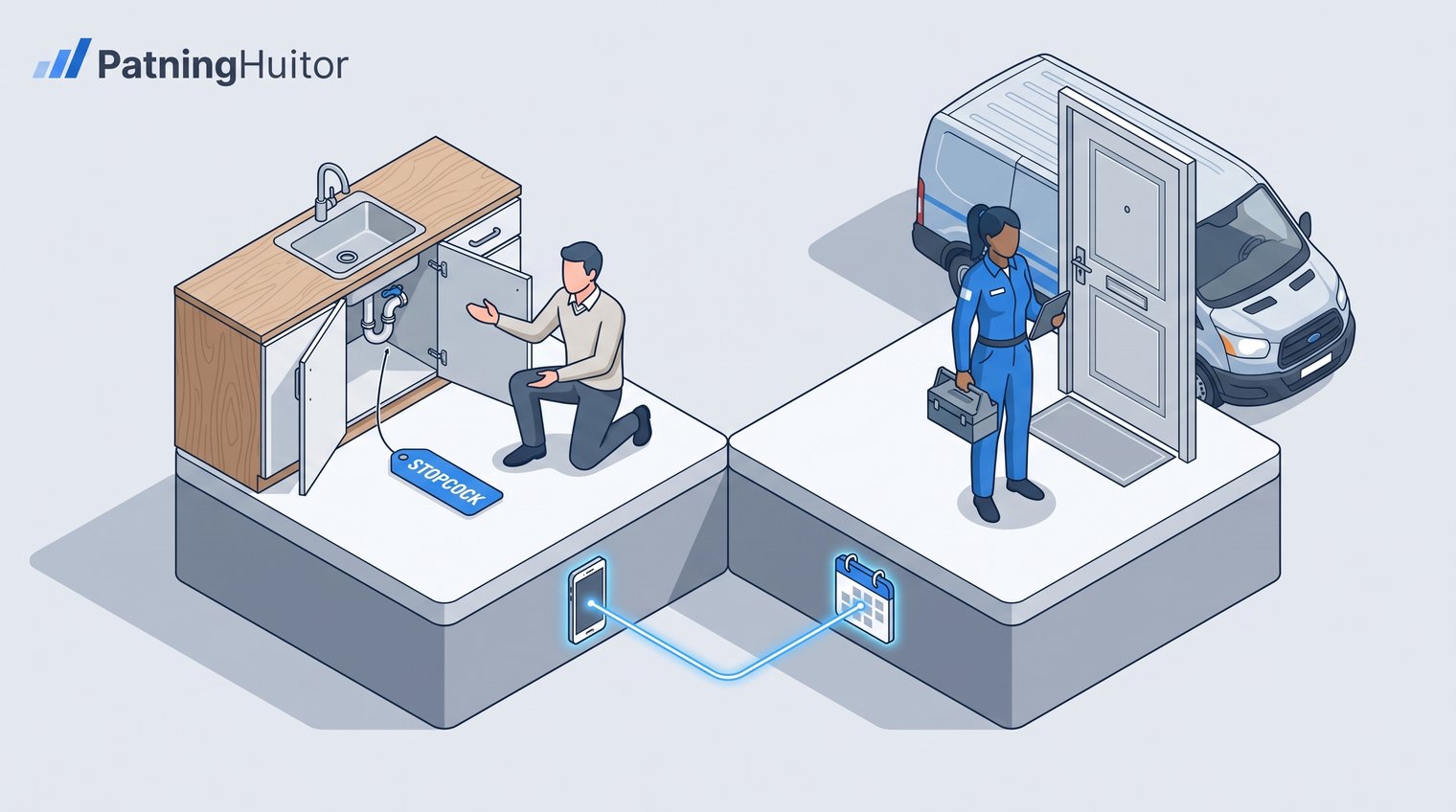
Clear a route to the affected area before the visit. Empty the cupboard under a sink, move toiletries from around a bath, remove stored items from the boiler cupboard, and make space around the problem. This saves time and makes inspection safer.
If there is an active water leak and you know where the stopcock is, it may be sensible to turn off the water supply if it is safe and accessible. See How to Find the Internal Stopcock in Your Home if you need help locating it. Catch drips with a bucket or towels and move electronics, furniture, and valuables away from the affected area. Do not force a seized valve or put yourself at risk to reach it.
Confirm the diagnosis, work and cost before repairs begin
When the plumber arrives, explain the symptoms again and show any relevant photos, videos, or previous correspondence. Before authorising non-emergency work, ask them to explain the fault, the proposed repair, expected cost, and any realistic alternatives in plain language.
If the price changes after inspection, ask what additional issue was found and why it affects the cost. Find out which work is essential now, whether a lower-cost option is available, and whether the repair can be staged. A good decision does not require technical expertise; it requires a clear explanation and a price basis you understand.
After completion, retain the invoice, any written guarantee, and details of parts fitted. These records are useful if the issue returns, if a manufacturer warranty applies, or if you need to explain the work to a landlord, buyer, or future contractor.
Avoid common mistakes when ordering a plumber online
The most avoidable mistake is giving an unclear description such as "my plumbing is broken." Say where the problem is, what is happening, when it began, and whether it is causing active damage. That information helps a plumber decide whether the job needs urgent attendance and arrive better prepared.
Another common problem is accepting an unclear verbal price. Always ask whether you have been given a fixed quote, an estimate, an hourly rate, or just a callout fee. Confirm whether VAT, parts, travel, and emergency charges are included.
Do not skip credential checks where the work is regulated. In particular, gas work requires an appropriately registered Gas Safe engineer. Finally, do not delay an active leak while you search endlessly for the perfect option. Take safe temporary measures, contact suitable local plumbers promptly, and compare the key terms clearly.
Order a local plumber with a clear brief and a confirmed price basis
To order a plumber confidently, assess the urgency first, gather the facts, find nearby professionals who handle the required work, and check that they are suitable. Then contact a small number with the same job summary, compare availability and written pricing terms, and confirm the appointment details.
A clear request and a confirmed price basis prevent most avoidable problems. If you want a location-based starting point, use BestPlumber to look up local plumbing contact options.